Island notes
Ibiza for first-timers: where things are and where to stay
An island about 41 kilometres long and 15 wide, split into five municipalities, with very different coasts. A short orientation before planning anything.
Updated 18 November 2026
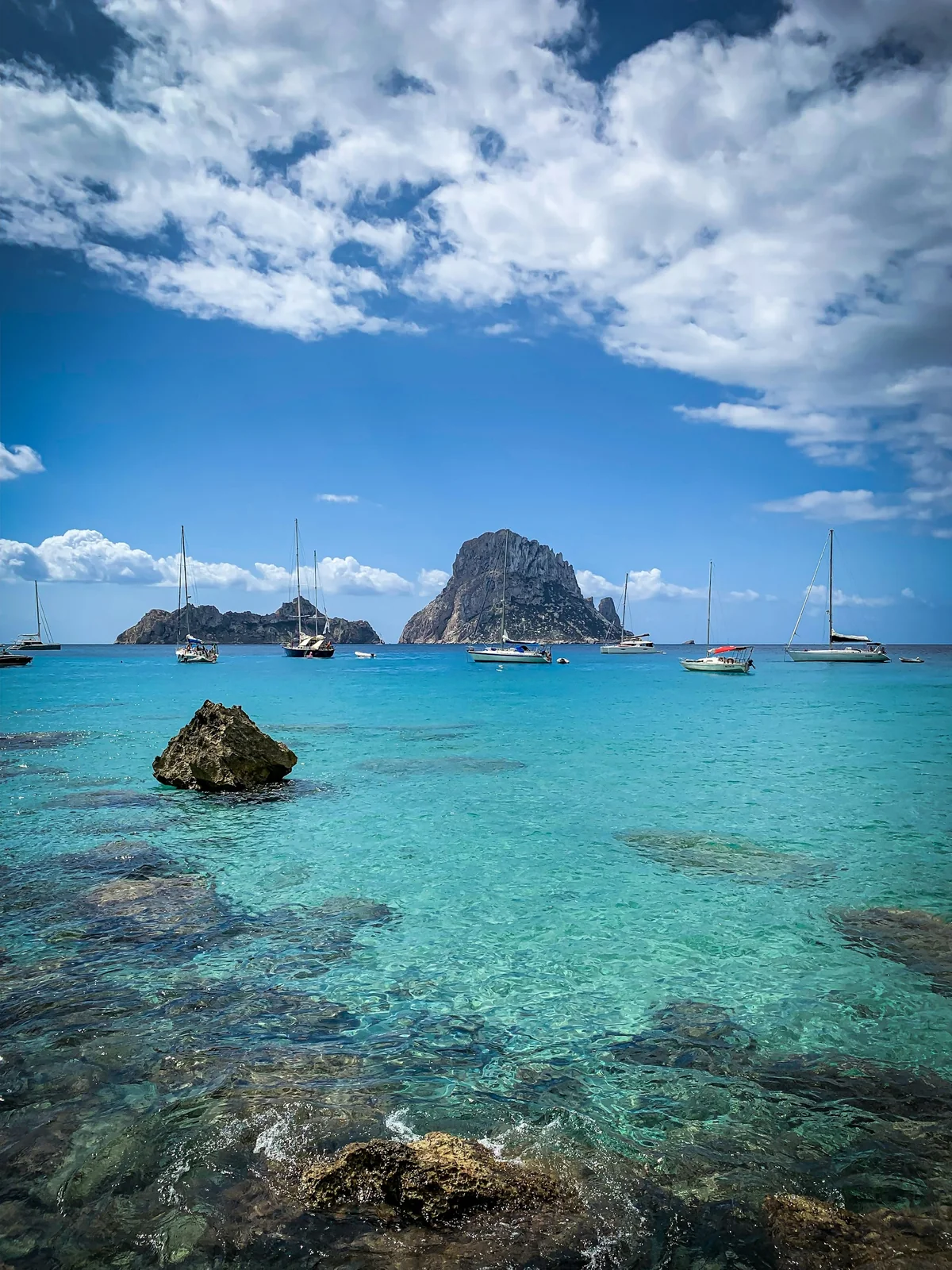
Ibiza is the third-largest of the Balearic Islands, a limestone island with a hilly interior, a dry climate and a coastline that changes every few kilometres. The nickname "the White Island" comes from the whitewashed farmhouses and village churches, which still dominate the countryside. It is small enough to cross in under an hour, yet different parts of it can feel like different places. This page lays out the island's basic geography so that a trip can be planned around it.
The island in five parts
Ibiza is divided into five municipalities, and most guides, bus routes and local websites follow them.
- Eivissa (Ibiza Town) is the capital, on the south-east coast. Its walled old town, Dalt Vila, sits above the harbour; the neighbourhoods of Figueretas and Talamanca lie on either side. See the Ibiza Town map.
- Sant Josep de sa Talaia covers the whole south and south-west: the airport, the salt flats, Platja d'en Bossa, Cala Comte, Cala Vadella and Es Vedrà. The page for Sant Josep shows the area.
- Sant Antoni de Portmany (San Antonio) is in the west, around a wide bay. It is known for its sunset bars, a harbour and a busy bar street. See the Sant Antoni map.
- Santa Eulària des Riu is on the east coast, with a marina, a seafront promenade and a small river valley. Beaches such as Es Canar and Cala Llonga are here.
- Sant Joan de Labritja is the quiet, green north, with small coves such as Benirràs and Portinatx and a handful of inland villages.
The full towns and villages guide has maps and notes for each.
When to go
The summer season runs roughly from May to October. July and August are hot and busy, with the warmest sea and the heaviest traffic. June and September are widely regarded as the balance of good weather and less crowding. Spring and autumn are suited to walking, cycling and village visits; swimming is possible but the water is cooler. Winter is mild and quiet, and many beach bars, hotels and clubs close between late autumn and spring. The weather page covers the pattern month by month.
Clubs follow a shorter calendar than beaches: openings are typically in late April or May, and closings in September or October.
Getting there and around
Most visitors arrive at Ibiza Airport, in Sant Josep, about 10 km from Ibiza Town by road; flights are heaviest in summer. Ferries run from Barcelona, Valencia, Dénia and Palma, and from Formentera. Check the operators for current schedules.
On the island, a rental car is the most flexible option, particularly for the north and the smaller coves. Buses connect the airport, Ibiza Town, Sant Antoni, Santa Eulària and many beach areas, with fewer departures outside summer. Taxis work from ranks in the towns and at the airport. In July and August, parking at popular coves can be hard; going early helps. See getting around for the details by area.
Beaches, culture and nightlife
Beaches range from long sandy strips in the south to small pine-backed coves in the north and west. The beach hub groups them by coast. Away from the sand, Dalt Vila and the Phoenician site of Sa Caleta are part of a UNESCO World Heritage listing, and inland villages such as Sant Carles and Santa Gertrudis have markets, churches and countryside walking. The island's nightlife is concentrated in a few areas, mainly Sant Antoni, Platja d'en Bossa and Ibiza Town; there is more in the nightlife guide.
A first three days
For a first visit with no fixed plan, one easy shape is to spend the first day in Ibiza Town, climbing Dalt Vila in the morning and walking the harbour in the evening. A second day can go to the south-west, with a swim at Cala Comte or Cala Vadella and the sunset over the islets. A third can head north-east to a village market and one of the quieter coves. Adding a boat trip to Es Vedrà or across to Formentera makes a fourth. The distances between these are modest, and a map open on a phone does most of the planning.
Choosing a base
The right base follows from what the days will contain.
- A first visit with a mix of everything: Ibiza Town or its surroundings, with the old town, restaurants and buses.
- Beach days and a calm setting: Santa Eulària or the north-east.
- Sunsets and a lively seafront: Sant Antoni.
- The big clubs and a short transfer: Platja d'en Bossa and the south.
- Walking, quiet and small coves: the north, around Portinatx and Sant Joan.
The most common mistake is choosing a base by price alone and then spending the week on the road. Staying on one side of the island and making day trips is easier than moving every night, and a car or scooter, if used, removes most of the constraints that the bus timetable creates.
Questions people ask
How big is Ibiza?
Ibiza is about 41 kilometres from north to south at its longest and around 15 kilometres across, with an area of roughly 570 square kilometres. Most places are within an hour's drive of Ibiza Town, though summer traffic on the main roads can stretch a short trip.
When is the best time to visit Ibiza?
For swimming and beach life, June to September. May and October are quieter and still mild, but the sea is cooler and some beach bars and clubs have yet to open or have closed. Winter is calm, with many seasonal businesses shut and the old town and countryside as the main draw.
Where should a first-time visitor stay?
It depends on the plan. Ibiza Town suits a mix of old town, harbour and restaurants. Santa Eulària is calmer and family-friendly. Sant Antoni has the bay and the sunsets. The south, around Platja d'en Bossa, is close to the airport and the big clubs. The north is for quiet and walking.
Sources Consell d'Eivissa · Aena – Ibiza Airport · OpenStreetMap
Nearby on the map
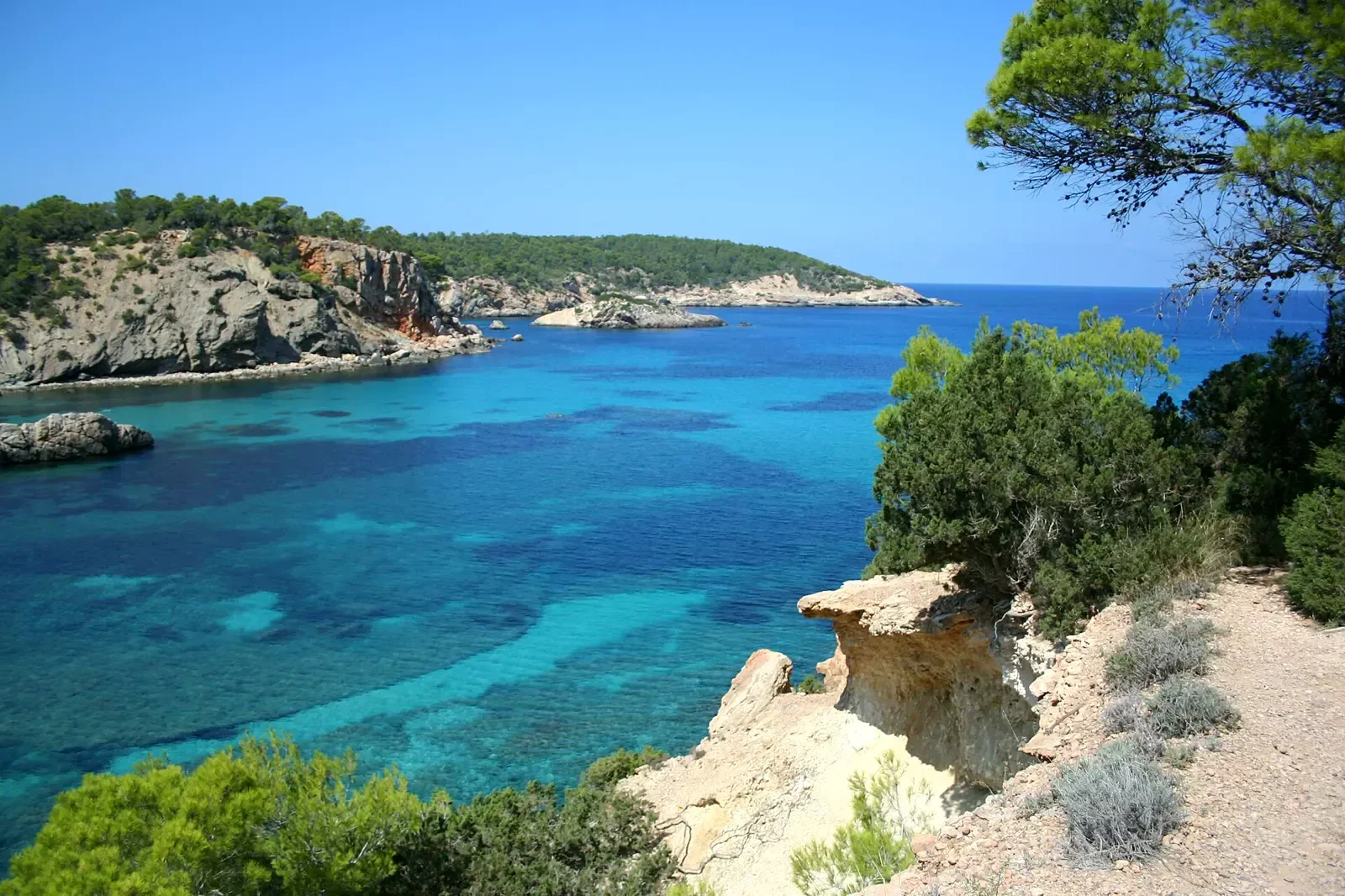
Ibiza towns and villages map: where each place sits
Ibiza is split into five municipalities, each with a town at its centre and a scatter of villages, hamlets and…
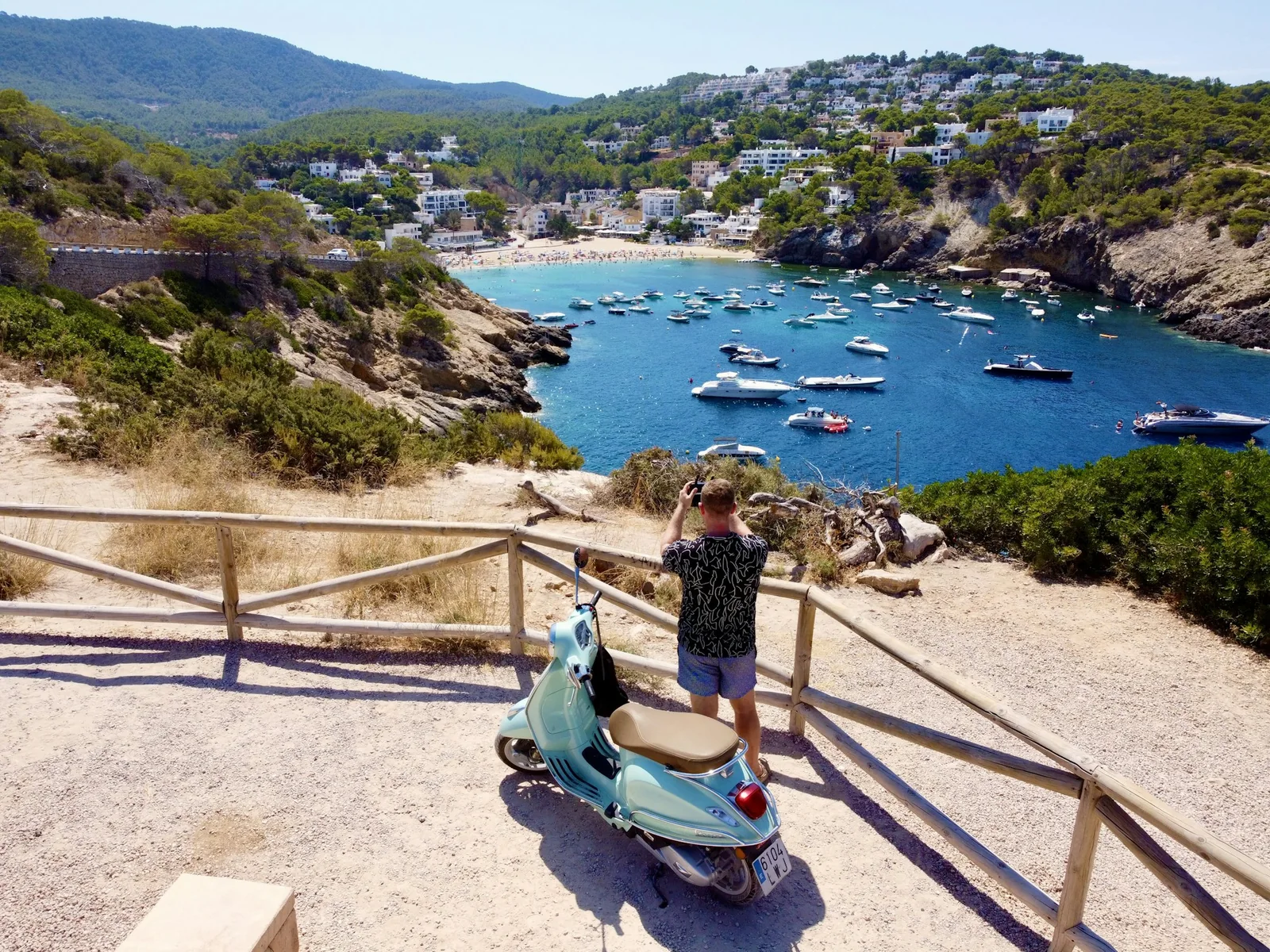
Getting around Ibiza by bus, taxi, ferry and car hire
One main road axis, a bus network rebuilt in 2026, metered taxis, boats from Eivissa port and a car park at almost…
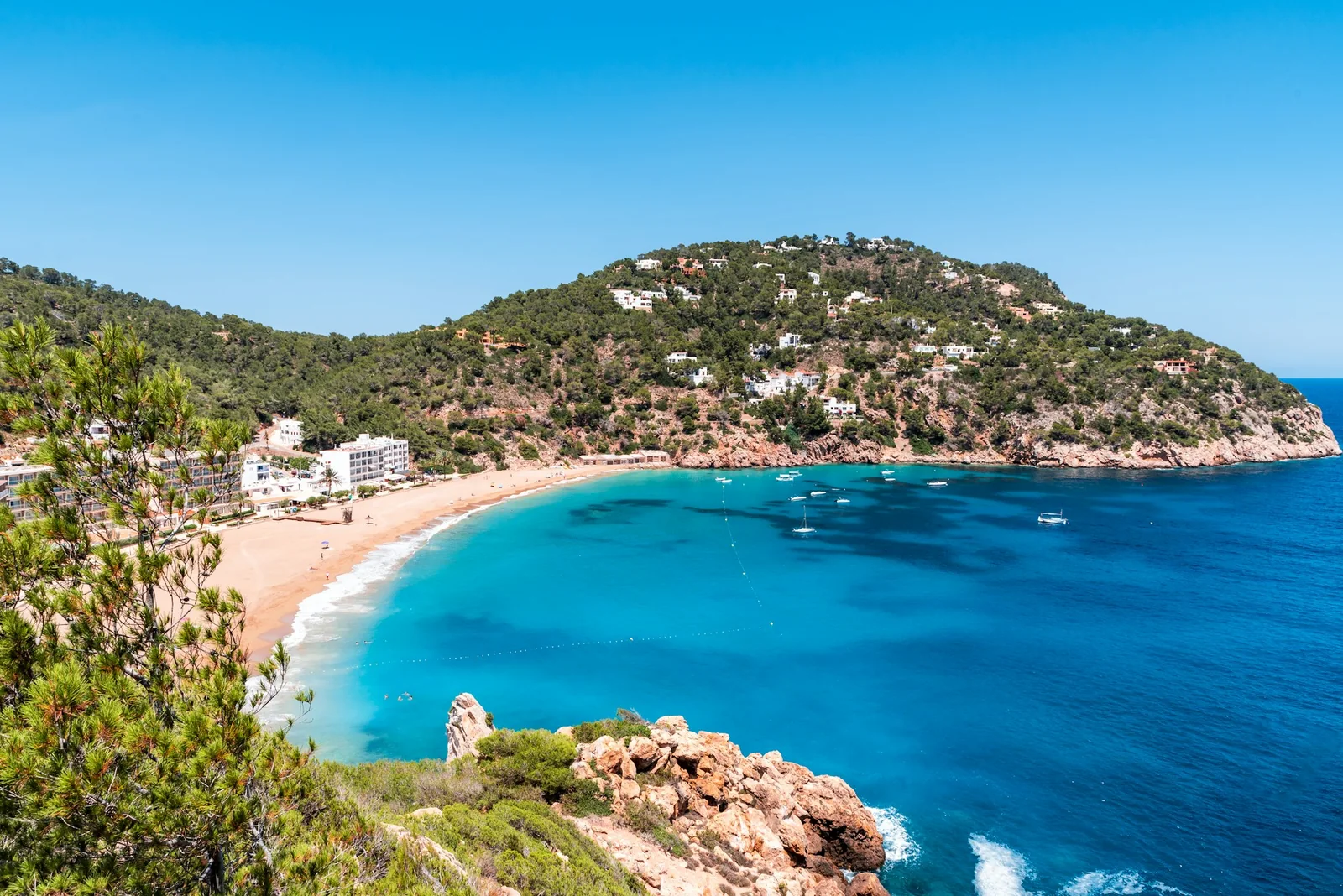
Ibiza weather by month: temperature, sunshine and the sea
Hot dry summers, a warm sea until November and mild winters. The long-term averages for Ibiza, month by month, and…